Handheld Inkjet Printer Australia: The 2026 Industrial Sourcing Guide
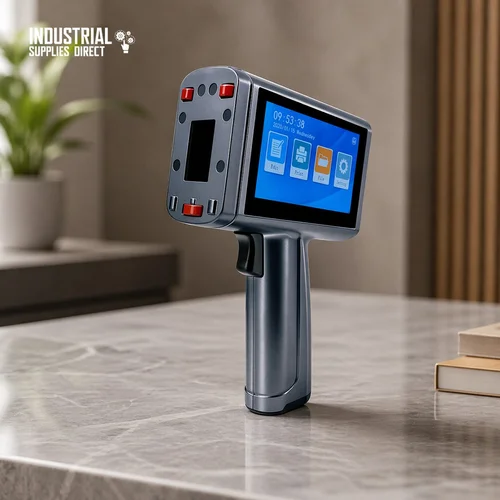
Relying on a fixed-line labelling system in 2026 is an expensive anchor that limits your warehouse throughput. You have likely noticed that traditional setups lack the agility needed for modern logistics, especially when you need to mark bulky items or varied materials on the fly. Finding a reliable handheld inkjet printer australia businesses can depend on involves more than just picking a device. It requires understanding how portable technology handles the specific demands of our local climate and industrial standards.
We recognise that the high costs of permanent installations and the constant battle with ink clogging in the Australian heat are significant operational headaches. This guide is designed to help you master the technical specifications, surface compatibility, and cost-efficiencies of portable coding. We will explore how to achieve professional, high-resolution codes on non-porous surfaces like plastic and metal while lowering your overall cost-per-print. From simplified software to ensuring your marks meet Australian regulatory requirements, this sourcing guide provides the clarity you need to choose the right tool for your facility.
Key Takeaways
- Understand the shift from manual stamps to high-resolution Thermal Inkjet (TIJ) technology for more precise digital coding on the warehouse floor.
- Determine the best ink formulations for your specific materials, ensuring fast-dry performance on non-porous substrates like glass and metal.
- Learn how to accurately calculate cost-per-print and why sourcing a handheld inkjet printer australia wide via a direct-to-user model eliminates unnecessary middleman markups.
- Gain practical insights into nozzle maintenance and capping strategies that prevent ink waste and maintain high-resolution output.
- Identify the logistical benefits of choosing local AU-based stock to ensure rapid dispatch and reliable access to essential replacement ink cartridges.
Understanding Handheld Inkjet Printers in the Australian Industrial Context
Handheld inkjet printers represent a significant leap in industrial marking. These devices are portable Thermal Inkjet (TIJ) units designed for on-the-spot coding. For years, Australian warehouses relied on manual stamps or messy rollers to label stock. Those methods often resulted in smudged text and inconsistent quality that failed to meet professional standards. Implementing a handheld inkjet printer australia wide gives teams the ability to mark products exactly where they sit, moving away from these analogue systems toward high-resolution digital precision.
The underlying Inkjet printing technology provides the foundation for these devices, allowing them to fire microscopic droplets of ink with extreme accuracy. This shift isn't just about aesthetics; it's about operational agility. Unlike fixed-line systems that require products to pass through a specific point, these coders go where the work is. This is vital for marking oversized or immobile items like concrete pipes, structural timber, or heavy machinery that simply can't fit on a standard conveyor belt. Having the flexibility to code on-the-fly ensures that even the most awkward items are correctly identified before they leave the yard.
Why Australian Businesses are Shifting to Portable Coding
One of the primary drivers for this shift is the reduction in capital expenditure. Installing a fully integrated conveyor-based labelling system can cost tens of thousands of dollars. Portable units offer a fraction of that entry cost while maintaining professional output. They are also ideal for small-batch runs. If you're a local producer handling custom orders, you don't want to retool an entire line just to change a lot number. These devices also ensure compliance with strict AU standards for "Best Before" dates and "Lot Number" legibility. In industries like food and pharmaceuticals, where traceability is mandatory, having clear, permanent codes is a non-negotiable requirement for warehouse managers.
Key Applications Across the Continent
The versatility of these printers makes them essential across various Australian sectors. In the timber industry, they are used to mark pallets and crates for ISPM-15 export compliance, ensuring the wood is treated and traceable. Boutique Australian beverage and food producers use them for batch coding on bottles and jars, providing a professional finish that matches their brand quality. Additionally, in metal fabrication and heavy machinery sectors, these printers apply serial numbers and safety warnings directly onto steel frames. This ensures that every component remains identifiable throughout its lifecycle, regardless of the harsh conditions it might face in the field.
Technical Specifications: What Makes a Quality Handheld Coder?
Selecting a high-quality handheld inkjet printer australia depends on understanding the underlying hardware. Thermal Inkjet (TIJ) technology has become the preferred choice for portable units because it eliminates the complex pumps and filters found in older Continuous Inkjet (CIJ) systems. In a TIJ setup, the print head is integrated directly into the ink cartridge. This design is particularly effective for rugged Australian workshops where dust and debris are common. When the ink runs out, you replace the entire head; this ensures the machine performs like new without expensive service calls or specialist training.
Precision matters when your reputation is on the line. Most industrial applications require a resolution between 300 and 600 DPI (dots per inch). While 300 DPI is sufficient for basic alphanumeric text, 600 DPI is essential for producing scannable QR codes and barcodes. Adhering to Australian graphic technology standards ensures that your output remains legible throughout the supply chain. If your codes can't be scanned at the distribution centre, the efficiency of your portable system is lost. If you're looking for a reliable handheld inkjet printer that meets these rigorous technical demands, focusing on battery density and cartridge reliability is the best place to start.
Operational uptime is another critical factor for busy facilities. A quality industrial coder should offer a battery life of at least 8 to 10 hours of active use. This ensures your team can complete a full shift in a high-volume dispatch centre without needing a recharge mid-afternoon. These "maintenance-free" systems are built for the reality of the warehouse floor, where equipment needs to work every time it's picked up.
Print Height and Nozzle Configuration
The 12.7mm print height is the industry standard. It covers roughly 90% of all coding tasks, including date stamps and batch numbers. For businesses requiring larger shipping marks or complex logos, large-format 25.4mm options or multi-head configurations are available. Most modern units allow you to import custom graphics via USB, providing the ability to add brand logos or specific icons directly onto your packaging with minimal fuss.
Software and User Interface (UI)
Complicated software leads to errors and wasted ink. A "What You See Is What You Get" (WYSIWYG) interface on a built-in touchscreen allows operators to edit messages without a PC. This is vital for real-time adjustments on the warehouse floor. Automated counters simplify serialisation, while integrated real-time clocks handle timestamps automatically. These features reduce the risk of human error during busy production runs, ensuring every item is marked accurately.

Surface Compatibility: Matching Ink to Material
Success with a handheld inkjet printer australia depends entirely on matching the ink chemistry to the substrate. Surfaces are generally categorised as porous or non-porous. Porous materials like cardboard, paper, and raw timber absorb ink quickly. For these applications, water-based inks are the most efficient and cost-effective choice. Conversely, non-porous surfaces like plastics, glass, and metal repel liquid. These require solvent-based "quick-dry" inks that bond to the surface through evaporation rather than absorption. Using the wrong ink type leads to smudging, which compromises the integrity of your batch codes and traceability.
Environmental conditions also play a massive role in ink performance across the continent. In the high humidity of Queensland or the intense summer heat of Western Australia, solvent-based inks may cure at different rates. High humidity can sometimes interfere with the bonding process on cold metal surfaces, leading to "beading" if the surface isn't properly prepared. When handling these industrial fluids, it is vital to follow the Code of Practice for hazardous chemical labelling. This ensures your facility remains compliant with national safety standards while managing the chemical components of industrial-grade solvents.
Marking Difficult Surfaces: Curves and Textures
Printing on a flat carton is straightforward, but industrial environments often involve curved pipes, bottles, or cans. To maintain clarity on these shapes, we recommend using a metal guide plate. This accessory keeps the printer at a consistent distance from the surface, preventing the "ghosting" effect caused by an uneven gap. The internal encoder wheel is another essential component for success. It tracks the physical movement of the device across the material. This ensures the printer fires at the correct speed regardless of how fast the operator moves their hand. This is particularly useful on rough-sawn timber or uneven concrete where a steady glide is difficult to maintain.
Ink Colour and Visibility
Standard black ink offers the highest density and is the default for most white or brown packaging. However, dark substrates like black plastic piping or steel beams require high-contrast marking. In these instances, white or yellow solvent inks are necessary to ensure the text remains legible in low-light warehouse conditions. For items stored outdoors in the harsh Australian sun, you must evaluate the UV resistance of your chosen ink. Low-quality pigments can fade within weeks of exposure, rendering your batch codes unreadable. Some sectors may also require specialty food-grade inks for direct contact with produce, ensuring safety throughout the local agricultural supply chain.
Operational Efficiency and Total Cost of Ownership
Calculating the true value of a handheld inkjet printer australia operations require goes beyond the initial invoice. You must assess the cost-per-print, which is primarily influenced by your character count and chosen DPI settings. While 600 DPI offers maximum crispness, it consumes significantly more ink than a standard 300 DPI setting. Most industrial cartridges can produce between 400,000 and 800,000 characters depending on the font size and density. Unlike adhesive labels, there is no backing paper waste or expensive thermal ribbons to replace. This direct-to-surface method often results in a substantial reduction in consumables costs when compared to traditional labelling systems.
You should also account for hidden factors like battery longevity and staff training. A standard lithium-ion battery typically maintains peak performance for several hundred charge cycles before capacity begins to drop. Software updates are another consideration; ensure your device supports the latest barcode formats to avoid future-proofing issues. Training is perhaps the most overlooked variable. If an operator hasn't mastered the correct "swipe" speed, they may double-print or smudge codes. This leads to wasted ink and potentially rejected stock at the distribution centre. If you want to streamline your procurement and reduce these overheads, explore our range of handheld inkjet printer solutions designed for high-efficiency environments.
Maintenance and Troubleshooting for AU Environments
Daily maintenance is non-negotiable in the harsh Australian climate. Solvent-based inks are designed to dry fast. This means they can clog the nozzles if the device is left uncapped for even ten minutes during a summer heatwave. Always wipe the print head with a lint-free cloth at the start and end of every shift. If you see "white lines" or faint prints, it's usually a sign of dried ink in the nozzles. A quick purge or a thorough wipe usually resolves this without needing a full cartridge replacement. Proper storage in a cool, dry area prevents the ink from thickening, which is a common issue in humid coastal regions.
Workflow Integration: From Warehouse to Dispatch
Efficiency is won or lost at the marking station. Organise your dispatch area so the printer is always within reach and stored in its capping cradle when not in use. Training staff to achieve a consistent, steady motion across the substrate is vital for professional results. Safety is also a priority. Ensure your team understands how to handle solvent-based cartridges and lithium batteries correctly. Proper storage away from direct sunlight prevents pressure build-up in the ink, ensuring the device remains ready for high-volume tasks throughout the day.
Sourcing Direct: The Strategic Advantage for Australian Industry
Sourcing a handheld inkjet printer australia wide often involves navigating a complex web of distributors and resellers. Each layer in the supply chain adds a markup that increases the final purchase price without adding tangible value to the equipment. By adopting a "Direct-to-User" model, businesses can bypass these intermediaries. This approach allows for a more transparent pricing structure. It ensures that you're paying for the technical capability of the hardware rather than a distributor's commission or high-street overheads.
Reliability in an industrial setting isn't just about the machine's build quality; it's about the availability of consumables. Buying from overseas sellers might seem cheaper initially, but waiting weeks for replacement ink cartridges can halt your dispatch operations entirely. Local AU stock ensures that replacement solvent or water-based inks arrive within days, not weeks. When evaluating industrial hardware online, you must also scrutinise the warranty terms. A local partner provides the peace of mind that any technical queries or hardware issues will be handled within Australian time zones and under Australian consumer law frameworks. This local presence is the bridge between high-end manufacturing and the practical needs of your facility.
Why Industrial Supplies Direct is the Preferred AU Choice
We focus on providing high-quality, high-reliability equipment tailored for the specific needs of Australian and New Zealand manufacturing. Because we eliminate middleman markups, we pass the direct savings to you. Our expertise is concentrated on a specialised selection, including handheld printers, industrial magnets, and oscillating mounts. This narrow focus allows us to provide deeper technical insights and more dependable sourcing for your facility's critical components. We understand that your operations rely on equipment that works every time it's picked up.
Next Steps: Upgrading Your Marking Process
Upgrading your marking process begins with a simple audit of your current labelling costs. Identify where bottlenecks occur, such as the time spent applying manual labels or the waste generated by thermal transfer ribbons. Once you have a clear picture of your volume, choose a printer based on your primary substrate. Whether you're coding on porous cardboard or non-porous metal, selecting the right ink and hardware combination is essential for long-term efficiency. If you're ready to improve your warehouse throughput and reduce your cost-per-print, view our range of industrial handheld inkjet printers today.
Streamlining Your Industrial Coding Operations
Transitioning to a modern coding system is a strategic move that directly impacts your facility's bottom line. By selecting a handheld inkjet printer australia businesses can rely on, you eliminate the inefficiencies of traditional labelling while gaining the flexibility to mark products anywhere in the warehouse. We have explored the critical importance of matching ink chemistry to your specific surfaces and the long-term cost benefits of adopting maintenance-free Thermal Inkjet technology.
Industrial Supplies Direct provides high-resolution coding solutions for diverse surfaces, ensuring your marks remain legible and compliant. Our specialised industrial focus for AU and NZ manufacturing means we understand the unique challenges of local supply chains. By offering direct-to-user pricing with no middleman markup, we ensure you receive premium equipment without unnecessary costs. It's time to move away from static lines and embrace the agility of portable coding.
Browse our high-efficiency handheld inkjet printers for Australian industry today and take the first step toward a more streamlined dispatch process.
Frequently Asked Questions
How many prints can I expect from a single handheld inkjet cartridge?
You can typically expect between 400,000 and 800,000 characters from a standard 42ml cartridge, though this depends on your font size and resolution settings. For instance, a basic batch code at 300 DPI will consume far less ink than a dense QR code printed at 600 DPI. Most devices include an onboard ink estimator to help you track usage and plan for cartridge replacements during a shift.
Do I need special software or a computer to use a handheld inkjet printer?
You don't need a separate computer or external software to operate most modern units. These devices feature built-in touchscreens with a "What You See Is What You Get" (WYSIWYG) interface for creating and editing messages on the warehouse floor. While you can import custom logos via USB, the daily task of updating batch numbers or expiry dates is handled directly on the handheld inkjet printer australia teams use.
Can these printers mark on curved surfaces like plastic bottles or metal pipes?
These printers mark curved surfaces effectively when used with a metal guide plate or a specialised alignment tool. The guide plate ensures the print head maintains a consistent distance from the substrate, preventing smudging or distorted text on pipes and bottles. The internal encoder wheel tracks the device's physical movement, ensuring the ink fires at the correct speed regardless of the surface's contour or texture.
How long does the ink take to dry on non-porous surfaces like glass?
Solvent-based inks typically dry within two to five seconds on non-porous surfaces like glass, plastic, and metal. This rapid curing time is essential for high-speed warehouse environments where products are handled or stacked immediately after marking. On porous materials like cardboard or timber, water-based inks are absorbed almost instantly, providing a permanent and smudge-proof mark that resists fading during transit.
What is the difference between a 12.7mm and a 25.4mm handheld printer?
The primary difference lies in the maximum height of a single line of text or graphic. A 12.7mm printer is the industry standard for batch coding and date stamping, covering roughly 90% of industrial needs. A 25.4mm model is designed for large-format requirements like shipping marks or large brand logos. Some large-format units use dual cartridges to achieve this increased print height while maintaining high resolution.
Are handheld inkjet printers durable enough for a dusty Australian workshop?
Industrial-grade handheld printers are designed for the rigours of Australian workshops and dusty warehouse environments. Unlike older systems with complex internal pumps, the Thermal Inkjet (TIJ) technology used in these devices is largely maintenance-free because the print head is integrated into the cartridge. This design protects the sensitive firing nozzles from the dust and debris common in local manufacturing and fabrication yards.
Can I print QR codes and company logos with these devices?
You can print high-resolution QR codes, barcodes, and company logos with ease. Most units support a resolution of up to 600 DPI, which provides the precision required for scanning equipment to read codes accurately. Logos and custom graphics can be uploaded as simple image files via a USB drive, allowing you to add professional branding to your packaging alongside mandatory regulatory information and lot numbers.
Where can I buy replacement ink cartridges in Australia?
Replacement ink cartridges are available through direct-to-user suppliers with local AU stock to ensure rapid delivery. Sourcing your consumables within Australia ensures fast dispatch times and avoids the operational downtime associated with waiting for international shipments. It is also the most reliable way to ensure your ink formulations are compatible with your specific hardware and meet Australian work health and safety standards.